

What Does Dermaplaning Do for Skin in Queen Creek, Arizona?
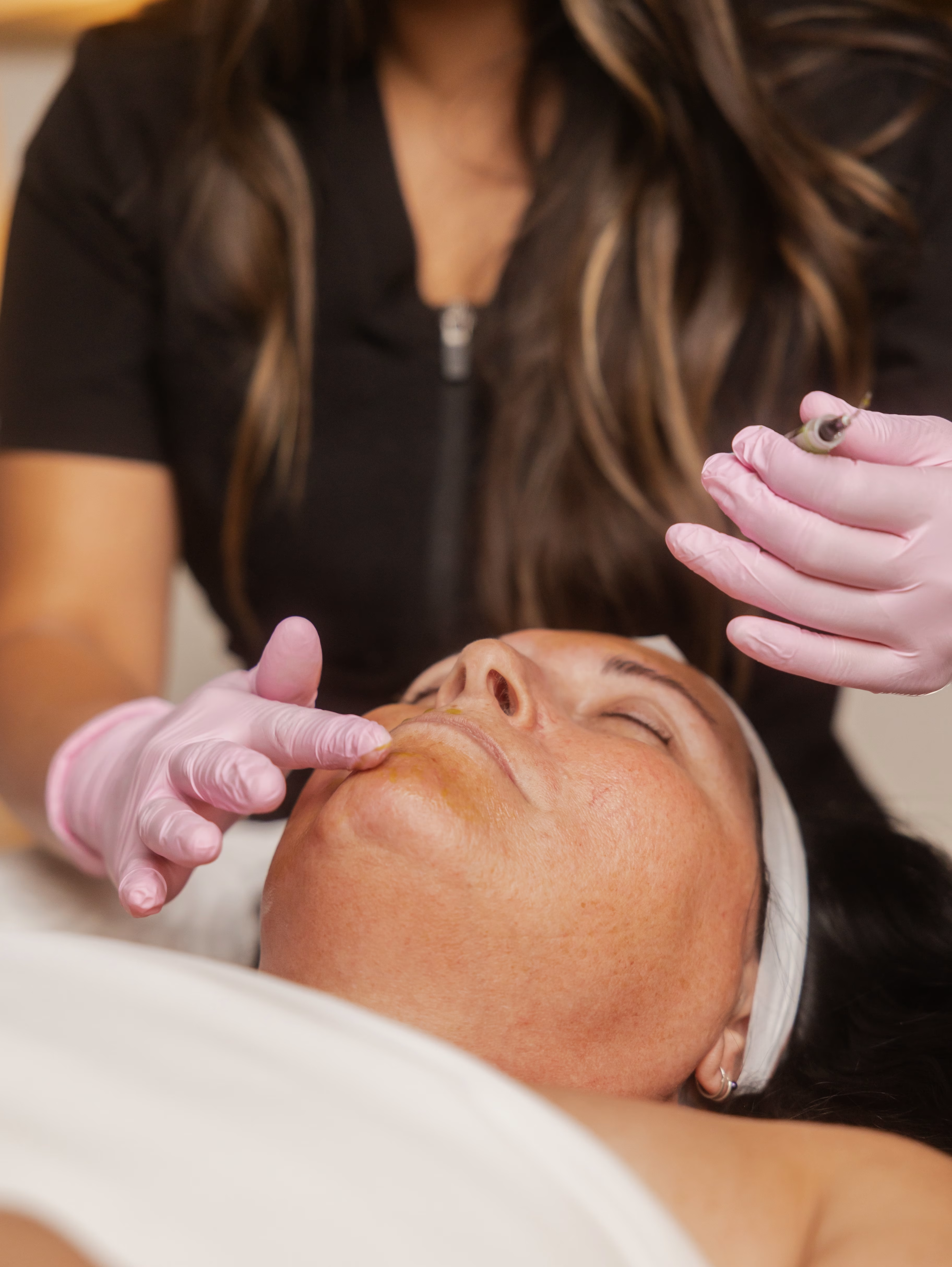
Dermaplaning is a manual exfoliation treatment where an esthetician uses a sterile surgical blade to gently scrape away the outermost layer of dead skin cells and fine vellus hair, often called peach fuzz, from the face. The result is skin that looks instantly smoother and brighter, with a more even surface for makeup application. There's no downtime, no chemicals, and no discomfort, which is exactly why it's become such a popular pre-event treatment among Queen Creek clients.
If you've noticed your skin looking rough, dull, or a little textured despite a solid skincare routine, dermaplaning might be addressing an issue that products alone simply can't fix.
Why Does Skin Build Up Dead Cells and Peach Fuzz in the First Place?
Skin naturally sheds dead cells through a process called cell turnover, but that process slows down with age, dehydration, and environmental stress, all of which are amplified by Arizona's dry climate. When dead skin cells aren't shed efficiently, they accumulate on the surface, creating a rough texture, dull appearance, and a barrier that can make skincare products less effective. Vellus hair, meanwhile, grows on everyone's face regardless of age or gender, and while it's harmless, it can trap oil and product residue, contributing to a slightly duller look.
What Skin Concerns Does Dermaplaning Actually Address?
Dermaplaning is particularly effective for rough or uneven texture, dullness, visible peach fuzz, and makeup that seems to sit unevenly no matter how carefully it's applied. It's also commonly used to prep skin before a special event, since the immediate smoothing effect helps foundation and other products apply more seamlessly. Because it works purely through physical exfoliation without chemicals or heat, it doesn't address concerns like deep wrinkles or active acne breakouts, but it does an excellent job with surface-level texture and buildup.
Is Dermaplaning Safe for All Skin Types?
Yes, dermaplaning is one of the gentlest professional exfoliation treatments available, making it a good option even for sensitive skin that can't tolerate strong chemical peels or more aggressive treatments. It's generally not recommended for active acne breakouts, since the blade can spread bacteria across inflamed skin, but for most other skin types and concerns, it's considered very low-risk.
Will My Hair Grow Back Thicker or Darker After Dermaplaning?
This is one of the most common myths about the treatment, and the answer is no. Vellus hair, the fine, soft hair on the face, grows back exactly the same texture and color it was before. Shaving or removing this hair doesn't change its follicle structure, so there's no risk of it returning coarser or darker.
How Does Dermaplaning Compare to a Regular Facial?
A standard facial typically focuses on cleansing, extractions, and hydration through topical products, while dermaplaning focuses specifically on physical exfoliation of dead skin and fine hair. Many clients actually combine the two, using dermaplaning to remove the surface barrier of dead cells first, which allows facial products and treatments to absorb more effectively afterward. To understand how a full facial experience compares more broadly, our post on What Happens During a Facial covers the full process.
How Often Should You Get Dermaplaning Done?
Because it removes dead skin cells and hair from the surface, most estheticians recommend dermaplaning every three to four weeks, which roughly matches the skin's natural cell turnover cycle. Getting it more frequently than that generally isn't necessary and won't add extra benefit, since new dead skin cells simply haven't had time to accumulate.
What Should You Do Before and After Your Appointment?
There's very little prep required, though it's best to avoid retinoids or strong exfoliants for a couple of days beforehand to reduce sensitivity. Afterward, skin is more receptive to products, so it's a great time to apply hydrating serums, but sunscreen becomes especially important since the fresh skin underneath is more vulnerable to UV exposure, an important note in a place with as much sun as Queen Creek.
How Does Dermaplaning Fit Into a Busy Professional's Routine?
For anyone juggling a demanding job with little room for skincare downtime, dermaplaning is about as low-effort as professional treatments get. There's no numbing, no redness, and no recovery period, meaning you can book an appointment on a lunch break and walk straight into an afternoon meeting looking noticeably fresher. It's also a favorite among clients prepping for interviews, presentations, or events where they want their skin to look its best without any visible signs of having "had work done."
There's a practical, everyday benefit too. Skin that's constantly exposed to recycled office air, long hours under fluorescent lighting, and the general dehydration that comes with a caffeine-heavy, water-light workday tends to accumulate a dull, textured surface faster than people expect. A quick dermaplaning session every few weeks can offset a lot of that buildup, keeping skin looking smooth and bright even during especially demanding stretches at work.
Can Dermaplaning Help With Makeup Application?
Yes, this is one of its most popular practical benefits. By removing both dead skin cells and fine facial hair, dermaplaning creates a smoother canvas that allows foundation and other makeup products to glide on more evenly, without catching on texture or fuzz. Many clients specifically book a session the day before an important event for exactly this reason.
Should You Choose Dermaplaning or a Chemical Peel for Texture Concerns?
Both treatments improve texture, but they work in different ways and suit different needs. Dermaplaning physically removes dead skin and fine hair with an immediate, visible result and zero downtime, making it ideal for a quick pre-event refresh. A chemical peel works deeper, using acids to resurface skin over several days of peeling, which can address more stubborn tone and texture concerns but requires more planning around recovery. For clients who want a fast, low-commitment improvement before a big week, dermaplaning is usually the more practical choice, while a peel makes more sense when there's time to let the skin fully recover afterward.
Frequently Asked Questions
Does dermaplaning hurt? No, most clients describe it as a light scraping sensation with no pain at all.
How long does a dermaplaning session take? Most appointments take about 30 minutes.
How often should I get dermaplaning done? Every three to four weeks is typical, matching the skin's natural renewal cycle.
Will my facial hair grow back thicker? No, the hair grows back exactly the same texture and color as before.
Can I wear makeup right after? Yes, and many clients find their makeup applies even more smoothly following the treatment.
Smooth Move: Wrapping Up the Case for Dermaplaning
Dermaplaning is a simple, low-risk treatment that delivers an outsized improvement in texture and radiance, especially for skin dealing with Arizona's dry climate and the daily wear of a busy schedule. Updated this September, this guide reflects the approach we recommend for clients looking for a quick, effective refresh. To learn more or book your first session, visit our services page or contact us directly.


