

How Does Microneedling Work for Skin in Queen Creek, Arizona?
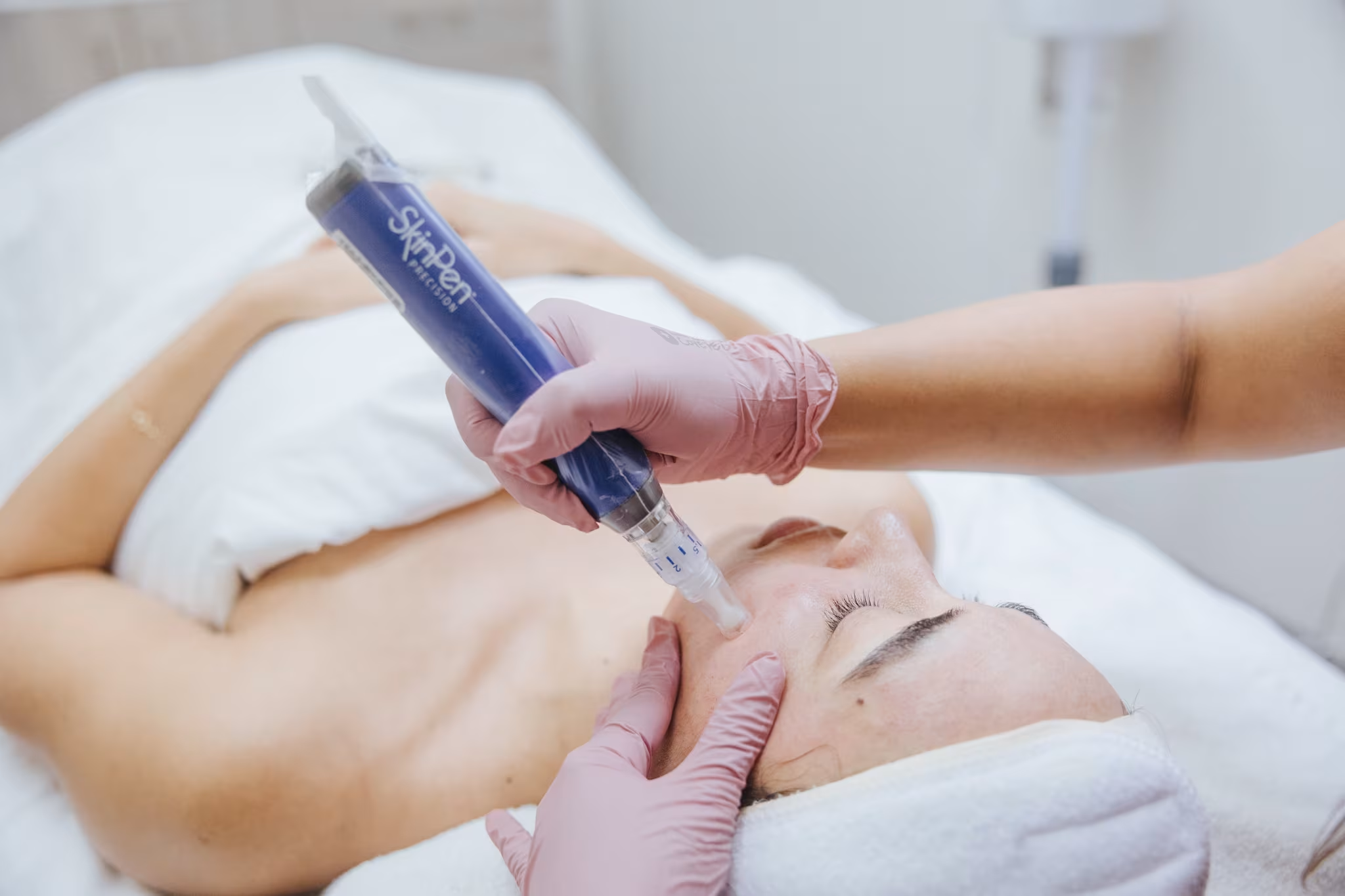
Microneedling works by creating hundreds of controlled, microscopic punctures in the skin's surface, which triggers the body's natural wound-healing response and prompts a surge in collagen and elastin production. Over the following weeks, that rebuilding process gradually smooths texture, softens scarring, and firms up skin that's lost some of its elasticity. It sounds intense, but the actual sensation is mild, the downtime is minimal, and the results build gradually and naturally rather than looking artificial.
For Queen Creek residents dealing with sun-damaged skin, acne scarring, or the early signs of aging, microneedling has become one of the most requested treatments precisely because it works with the skin's own repair systems instead of relying on temporary surface fixes.
Why Do Collagen Levels Matter So Much for Skin Texture?
Collagen is the structural protein that keeps skin firm, plump, and smooth. Starting in your mid-20s, natural collagen production begins to decline by roughly one percent per year, and environmental stressors like UV exposure accelerate that decline significantly. Once collagen breaks down faster than the body can replace it, skin starts to show fine lines, sagging, uneven texture, and a more tired appearance overall. Treatments that stimulate new collagen production, like microneedling, are one of the few options that address the underlying structural cause rather than just the surface symptoms.
What Skin Concerns Does Microneedling Actually Improve?
Microneedling is especially effective for acne scarring, enlarged pores, fine lines and early wrinkles, uneven texture, and sun damage. It can also improve the appearance of stretch marks and general skin laxity. Because the treatment works by stimulating your own collagen rather than adding volume or filler, results tend to look natural and improve gradually over several weeks rather than appearing overnight.
How Is Microneedling Different for Acne Scars Versus Anti-Aging Concerns?
While the underlying mechanism is the same, the depth, pattern, and follow-up care can be adjusted depending on the goal. For acne scarring, treatment often targets the specific texture irregularities left behind by past breakouts, encouraging the skin to fill in and smooth out those depressions over time. You can read more about this specific application in our post on Microneedling for Acne Scars. For anti-aging concerns, the focus shifts toward overall firmness, fine lines, and collagen density across the whole face, which we cover in our Anti-Aging Microneedling service.
Can Microneedling Help With Sun Damage?
Yes. Arizona's intense, near-constant sun exposure breaks down collagen and creates uneven pigmentation over time, both of which microneedling is well suited to address. By stimulating fresh collagen and improving cell turnover, the treatment can noticeably improve texture and tone in sun-damaged skin over a series of sessions. We've documented real client progress in our piece on Microneedling Before and After for Sun Damage.
Does Microneedling Hurt, and What Does Recovery Actually Look Like?
Most clients describe the sensation as mild pressure or vibration rather than pain, especially since a topical numbing cream is applied beforehand. Immediately afterward, skin typically looks and feels similar to a mild sunburn, pink and slightly warm, for about 24 to 48 hours. Most people are comfortable going back to normal activities the next day, though makeup is usually avoided for the first 24 hours to let the skin begin healing undisturbed.
What Should You Do Before and After Treatment for the Best Results?
Preparation is fairly simple: avoid retinoids and strong exfoliants for a few days before your appointment, and come in with clean, product-free skin. Afterward, gentle skincare is key. Harsh actives, sun exposure, and intense workouts should be avoided for a couple of days. We've put together a full breakdown of exactly what to avoid in our guide on What to Avoid After Microneedling, which is worth reading before your first session.
How Does Microneedling Fit Into a High-Stress, Time-Crunched Schedule?
For working professionals who barely have time to breathe between meetings, the appeal of microneedling often comes down to its efficiency. A handful of sessions, typically spaced about a month apart, can produce results that last far longer than the recovery time requires. Most clients simply plan their appointment for a Thursday or Friday, allow the redness to settle over the weekend, and return to work looking refreshed rather than treated.
There's also a less obvious connection worth mentioning. Chronic stress and poor sleep, both common realities for busy professionals, are linked to slower skin cell turnover and weakened barrier function, which can make existing texture and scarring concerns more stubborn to treat. By stimulating collagen production directly, microneedling gives the skin an extra push that a high-stress lifestyle alone can make harder to achieve through skincare products.
How Many Sessions Will You Need to See Real Results?
Most treatment plans involve a series of three to four sessions, spaced roughly four weeks apart, followed by maintenance sessions every few months. Because collagen remodeling happens gradually, visible improvement typically continues for several weeks after each session, with the most noticeable results appearing after the second or third treatment.
Is Microneedling Better Than Using Retinoids or At-Home Rollers?
At-home retinoids and derma rollers can offer mild improvement over time, but they work on a much smaller scale than professional microneedling. Retinoids primarily speed up cell turnover at the surface, while professional microneedling reaches a controlled depth that triggers a genuine wound-healing and collagen-building response, something an at-home roller, which typically uses shorter, less precise needles, generally can't replicate safely. That doesn't mean a home routine isn't worthwhile. In fact, a good retinoid and consistent SPF routine between professional sessions tends to extend and support the results of in-office microneedling rather than compete with it.
Frequently Asked Questions
Is microneedling safe for all skin types? Yes, microneedling is generally safe for most skin tones and types, including sensitive skin, since it doesn't rely on heat or chemical exfoliation.
How long does one microneedling session take? Most sessions take about 45 minutes to an hour, including numbing time.
When will I see results? Many clients notice improved texture within a week, with continued improvement over the following one to two months as collagen rebuilds.
Can microneedling be combined with other treatments? Yes, many clients alternate microneedling with HydraFacials for a balanced routine of deep renewal and regular maintenance.
Is there any downtime? Expect mild redness for one to two days. Most people return to normal activities the next day.
The Renewal Recap: Why Patience Pays Off
Microneedling isn't an overnight fix, and that's exactly why it works so well. By encouraging your skin to rebuild itself from the inside out, it delivers results that look natural and last. Updated this September, this guide reflects the approach we currently recommend for Queen Creek clients dealing with scarring, sun damage, or early signs of aging. To find out which treatment plan makes sense for your skin, visit our services page or contact us to schedule a consultation.


