.png)
.png)
Should You Get Dermaplaning Before or After a Hydrafacial in Queen Creek, Arizona?
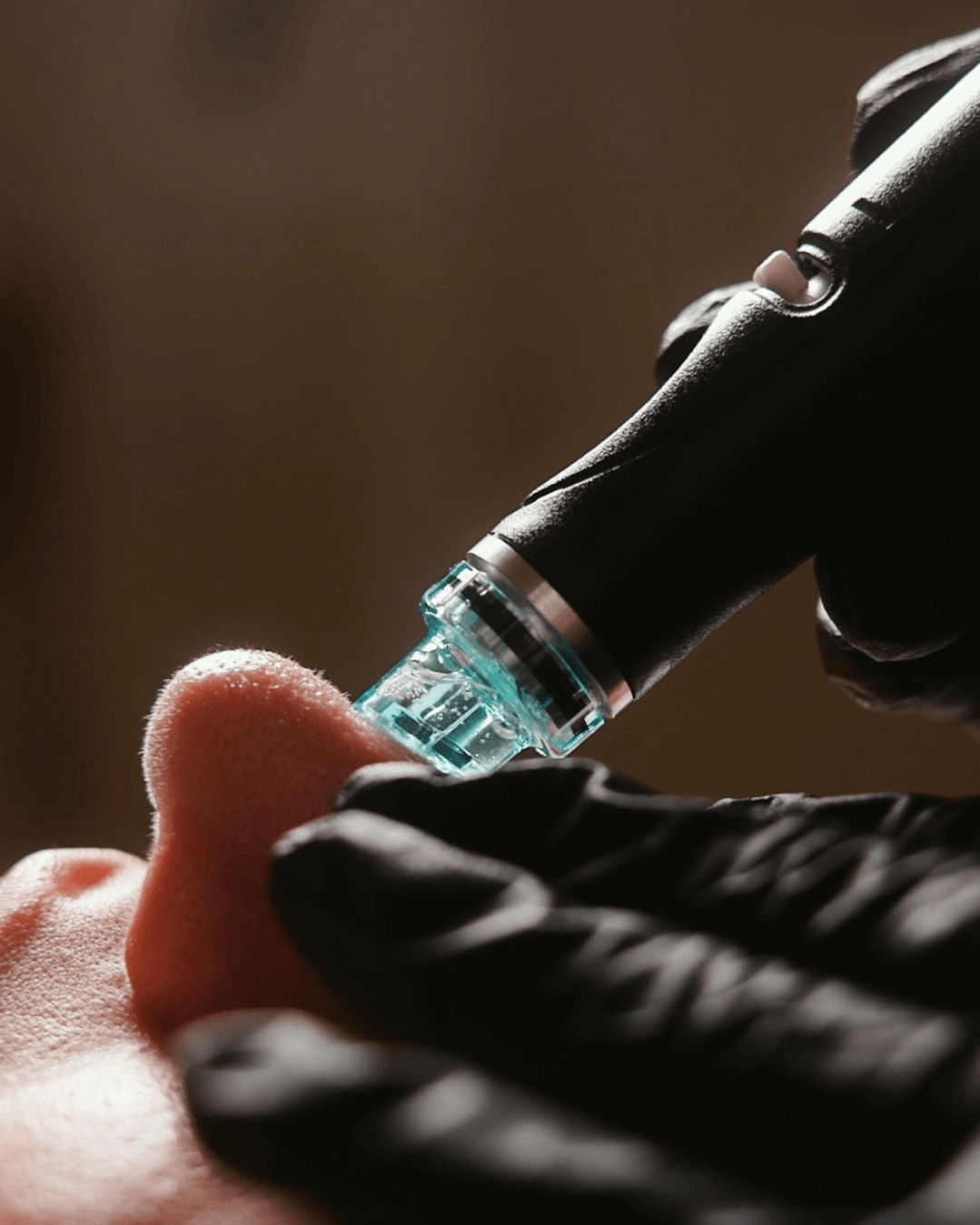
If you have booked both a dermaplaning session and a hydrafacial and found yourself wondering which one should actually come first, you are asking a smarter question than most people think to ask. The order matters more than you might expect, and getting it right can make a noticeable difference in how effective both treatments end up being.
This is one of the more common questions we field from Queen Creek clients who are trying to build out a complete facial routine rather than just booking treatments one at a time. Understanding what each service actually does helps explain why the sequencing matters so much.
What Does Dermaplaning Remove That a Hydrafacial Doesn't?
Dermaplaning is a manual exfoliation treatment that uses a surgical grade blade to gently scrape away the very outermost layer of dead skin cells, along with the fine, soft facial hair often referred to as peach fuzz. This creates an incredibly smooth surface and can also help makeup apply more evenly afterward.
A hydrafacial, by contrast, uses suction technology to cleanse pores and deliver hydrating serums, but it does not physically remove surface dead skin or facial hair the way dermaplaning does. While both treatments improve the appearance of the skin, they are working on different layers and through different mechanisms entirely.
This is exactly why dermaplaning and a hydrafacial complement each other so well rather than duplicating the same result. One clears the physical surface barrier, while the other cleans out the pores beneath it and adds hydration.
Can Dermaplaning and Hydrafacial Be Done in the Same Visit?
Yes, and this combination is actually one of the more popular pairings we offer. When done together, dermaplaning is typically performed first, immediately followed by the hydrafacial. This order allows the hydrafacial's hydrating serums to absorb more deeply into the skin, since there is no longer a layer of dead skin cells or fine hair creating a barrier on the surface.
Doing dermaplaning after a hydrafacial, on the other hand, is generally not recommended. Since a hydrafacial already leaves the skin freshly cleansed and slightly more sensitive from extraction, following it immediately with a blade based exfoliation can increase the risk of minor irritation. The skin simply has not had a chance to settle yet.
If you are booking both treatments, plan on dermaplaning first, then the hydrafacial right after, ideally in the same appointment so your esthetician can manage the timing and product layering appropriately.
How Does Dermaplaning Help Other Products Absorb Better?
One of the most underrated benefits of dermaplaning is how it improves the effectiveness of everything that comes after it, not just in that same appointment, but in your regular skincare routine as well. By removing the buildup of dead skin cells and fine facial hair, dermaplaning eliminates the physical barrier that often prevents serums and moisturizers from fully penetrating the skin.
This means that hydrating ingredients, whether from a hydrafacial or your at home routine, can reach deeper layers of skin more effectively immediately following treatment. It is part of why so many clients report that their regular products seem to work noticeably better in the days following a dermaplaning session.
If your goal is maximizing the results of an anti aging routine specifically, pairing dermaplaning with our anti aging hydrafacial experience allows those targeted serums to absorb as effectively as possible.
How Often Should You Repeat Dermaplaning?
Since dermaplaning only removes surface level dead skin and hair rather than triggering any deeper structural changes, it can be repeated more frequently than treatments like microneedling. Most clients schedule dermaplaning every three to four weeks, which aligns with the skin's natural cell turnover cycle.
If you are pairing it regularly with a hydrafacial, keeping both on a similar monthly schedule tends to work well for maintaining consistent texture and glow. Some clients also time a dermaplaning and hydrafacial combination around specific events, since the immediate smoothness and glow from this pairing makes it a strong option for photo ready skin.
You can view our full dermaplane service details, along with our recharge glow hydrafacial experience and essential hydration experience, to compare which hydrafacial option might pair best with your dermaplaning schedule.
Building This Into a Broader Skincare Routine
While dermaplaning and hydrafacials work beautifully together, they are also flexible enough to fit into a larger, more comprehensive skin plan. Clients dealing with acne concerns, for example, may want to space these treatments carefully around something like our acne bootcamp peel, since active breakouts sometimes require a different sequencing approach than typical maintenance routines.
If aging is more of a priority, dermaplaning also pairs well ahead of microneedling sessions, since smoother, debris free skin allows the microneedling device to work more evenly across the surface. Just keep in mind that dermaplaning and microneedling should be spaced a few days apart rather than done in the same session, given the more intensive nature of microneedling.
You can browse our complete list of facial treatments on our services page, or see documented results from real Queen Creek clients on our before and after page.
Order of Operations, Solved (Updated for 2026)
If you remember nothing else from this, remember this simple sequence: dermaplaning first, hydrafacial second, ideally within the same appointment. This order lets each treatment do its job without working against the other, giving you smoother, more hydrated, more radiant skin than either treatment could deliver entirely on its own.
Frequently Asked Questions
Does dermaplaning make facial hair grow back thicker? No, this is a common myth. Dermaplaning only removes fine vellus hair at the surface and does not affect hair follicles, so regrowth comes back at the same texture and thickness as before.
How long do the results of dermaplaning last? Most clients enjoy smooth, glowing skin for about three to four weeks before natural cell turnover and hair regrowth call for another session.
Is dermaplaning safe for sensitive skin? Yes, dermaplaning is generally considered one of the gentler exfoliation options available, making it a good fit for many sensitive skin types, though your provider will always assess your skin first.
Can I wear makeup right after dermaplaning and a hydrafacial? Most clients can apply makeup shortly afterward, and many find that makeup actually applies more smoothly following this combination due to the freshly exfoliated surface.

.png)


.png)