.png)
.png)
Why Do My Pores Look Bigger and My Skin Feel Rougher Than It Used To?
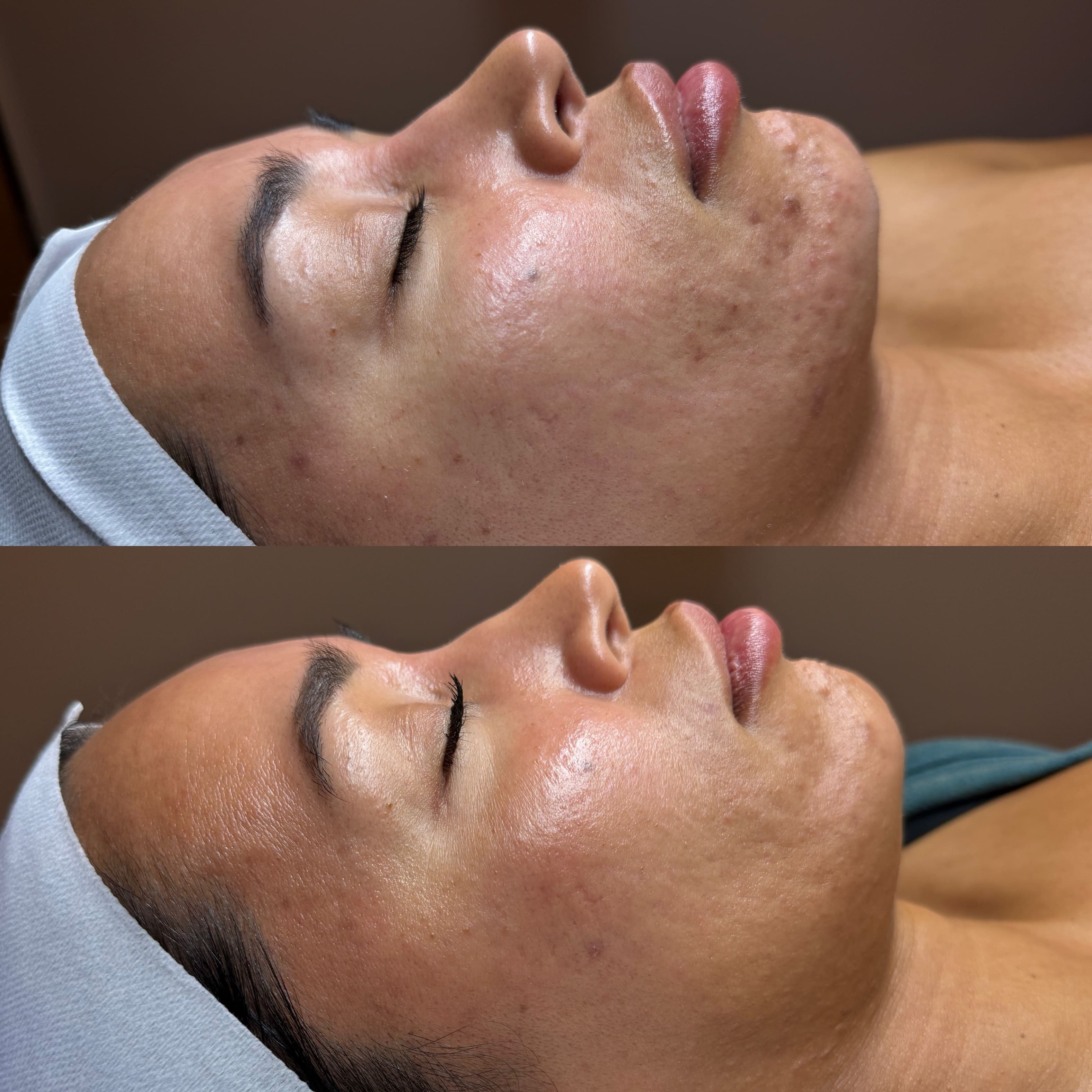
There is a specific kind of frustration that comes with noticing your skin's texture has changed even though nothing dramatic happened. No new breakout, no sunburn, no obvious trigger. Just pores that seem more visible than they used to be, and a surface that feels a little rougher under your fingertips or your foundation. If this sounds familiar, you are noticing something real, and it has a fairly clear explanation.
This article breaks down why pores appear to enlarge over time, what is actually happening to skin texture as we age or spend years in the Arizona sun, and how microneedling works to rebuild the kind of smooth, even surface that skincare products alone usually cannot restore.
Updated August 2026 with current information on microneedling for skin texture in Queen Creek, Arizona.
Do Pores Actually Get Bigger, or Does It Just Look That Way?
Pores do not physically stretch and shrink the way skin around them can. What actually happens is that the pore opening becomes more visible due to a combination of factors, including trapped oil and debris, a loss of surrounding skin firmness, and thickened skin at the pore's rim. As collagen production slows with age, the skin around each pore loses some of its structural support, which makes the opening look larger even though its actual size has not dramatically changed.
Why Does This Happen More Around the Nose and Cheeks?
These areas naturally have more oil glands, which means more oil production and a higher likelihood of buildup inside the pore. Combined with sun exposure, which is a significant factor in Queen Creek given the region's UV levels, this area often shows visible texture and pore changes before anywhere else on the face.
Is Rough Texture the Same Thing as Enlarged Pores?
Not exactly, though they are related. Rough texture usually refers to an uneven surface caused by a buildup of dead skin cells, shallow acne scarring, or sun damage, while pore visibility is more about what is happening at those specific openings. Many people experience both at once, which is why a treatment that addresses overall skin structure tends to improve both concerns together.
What Causes Skin Texture to Change Over Time?
Collagen and Elastin Decline
Collagen production naturally decreases starting in a person's mid to late twenties, and that decline accelerates with continued sun exposure. Less collagen means less structural support just beneath the surface, which shows up as rougher texture, less bounce, and more visible pores.
Cumulative Sun Exposure
According to dermatology research, ultraviolet exposure is one of the most significant contributors to premature skin aging, breaking down collagen fibers faster than time alone would. Arizona's sun intensity means this process can happen more quickly here than in less sunny climates, even with regular sunscreen use.
Past Acne or Breakouts
Even mild acne from years ago can leave behind shallow depressions or textural irregularities that become more noticeable as skin loses firmness with age. What looked like a minor blemish at seventeen can show up as a textural concern at thirty five.
Dehydration
Dehydrated skin can appear rougher and more textured simply because the surface lacks the moisture needed to look smooth and reflect light evenly. This is a common, often overlooked factor in Queen Creek's dry climate.
How Does Microneedling Improve Pores and Texture?
Microneedling uses fine, sterile needles to create controlled micro injuries in the skin's surface. This might sound counterintuitive, but those tiny channels trigger the body's natural healing response, prompting new collagen and elastin production exactly where it is needed. Over the following weeks, skin rebuilds itself with a firmer, smoother structure, which improves both texture and the appearance of pores at the same time.
At Skin By You, our Anti-Aging Microneedling treatment is designed for clients focused on rebuilding firmness and refining texture as part of an overall aging prevention plan. For clients whose main concern is scarring from past breakouts, our Scar Revision Microneedling treatment targets those specific irregularities more directly.
How Many Microneedling Sessions Are Needed for Texture Improvement?
Collagen remodeling takes time, so most clients see the best results from a series of sessions spaced several weeks apart rather than a single treatment. This gives skin the opportunity to rebuild in stages, with visible improvement building session over session.
What Does Recovery Look Like?
Most clients experience redness similar to a mild sunburn for a day or two after treatment, followed by normal skincare and makeup use once that subsides. Our team will walk you through specific aftercare, including what to avoid in the days immediately following treatment, to protect your results and support proper healing.
Who Is a Good Candidate for Microneedling?
Microneedling works well for most skin types dealing with texture concerns, enlarged looking pores, or early signs of collagen loss. Certain skin conditions, active breakouts, or recent sun exposure can affect timing, which is why a consultation before your first session helps make sure the treatment lines up with where your skin currently is.
Can Microneedling Be Combined With Other Treatments?
Many clients pair microneedling with hydrating treatments like our HydraFacial experiences on alternating schedules to support skin health between sessions. Combining a resurfacing treatment with consistent hydration tends to produce a more balanced result than relying on one approach alone.
Protecting Texture Improvements Long Term
Since sun exposure is one of the biggest drivers of collagen breakdown, daily sunscreen is essential for maintaining microneedling results in a sun heavy climate like Queen Creek. A consistent skincare routine that supports skin barrier health, along with periodic maintenance sessions, helps keep pores and texture looking their best well after your initial series.
Take a Closer Look at What's Really Going On With Your Skin
If enlarged pores or rough texture have been bothering you more than they used to, it might be time to address the underlying collagen loss rather than just the surface symptoms. Visit our services page to learn more about our microneedling options, check out real results on our before and after page, or head to our contact page to schedule a consultation in Queen Creek, Arizona.
Frequently Asked Questions
Can microneedling actually shrink pores? Microneedling does not physically shrink pore openings, but it improves the surrounding skin's firmness and texture, which makes pores appear noticeably less prominent over a series of treatments.
Why do my pores look bigger than they did a few years ago? Natural collagen decline, combined with cumulative sun exposure and years of oil and debris buildup, gradually reduces the support around each pore, making the opening appear larger.
Is microneedling better than at home dermarollers for texture? Professional microneedling uses controlled depth and sterile technique that at home tools typically cannot match safely, which generally leads to more consistent and effective results.
How soon will I notice a difference in my skin's texture? Some initial smoothness is visible within a week or two as skin heals, with continued improvement over the following months as new collagen builds.
Does microneedling help with old acne scars as well as pores? Yes, for many clients. Our scar revision microneedling treatment is specifically designed to target shallow depressions and irregular texture left behind by past breakouts.
Turns Out Smooth Skin Was Never Just a Myth
Enlarged pores and rough texture are not permanent facts of life, they are signals that skin's collagen support has taken a hit from time, sun, or both. Microneedling gives skin the nudge it needs to rebuild that structure from the inside out, and our team at Skin By You is here to help you get there.

.png)


.png)