.png)
.png)
What Are the Best Anti Aging Treatments in Queen Creek, Arizona?
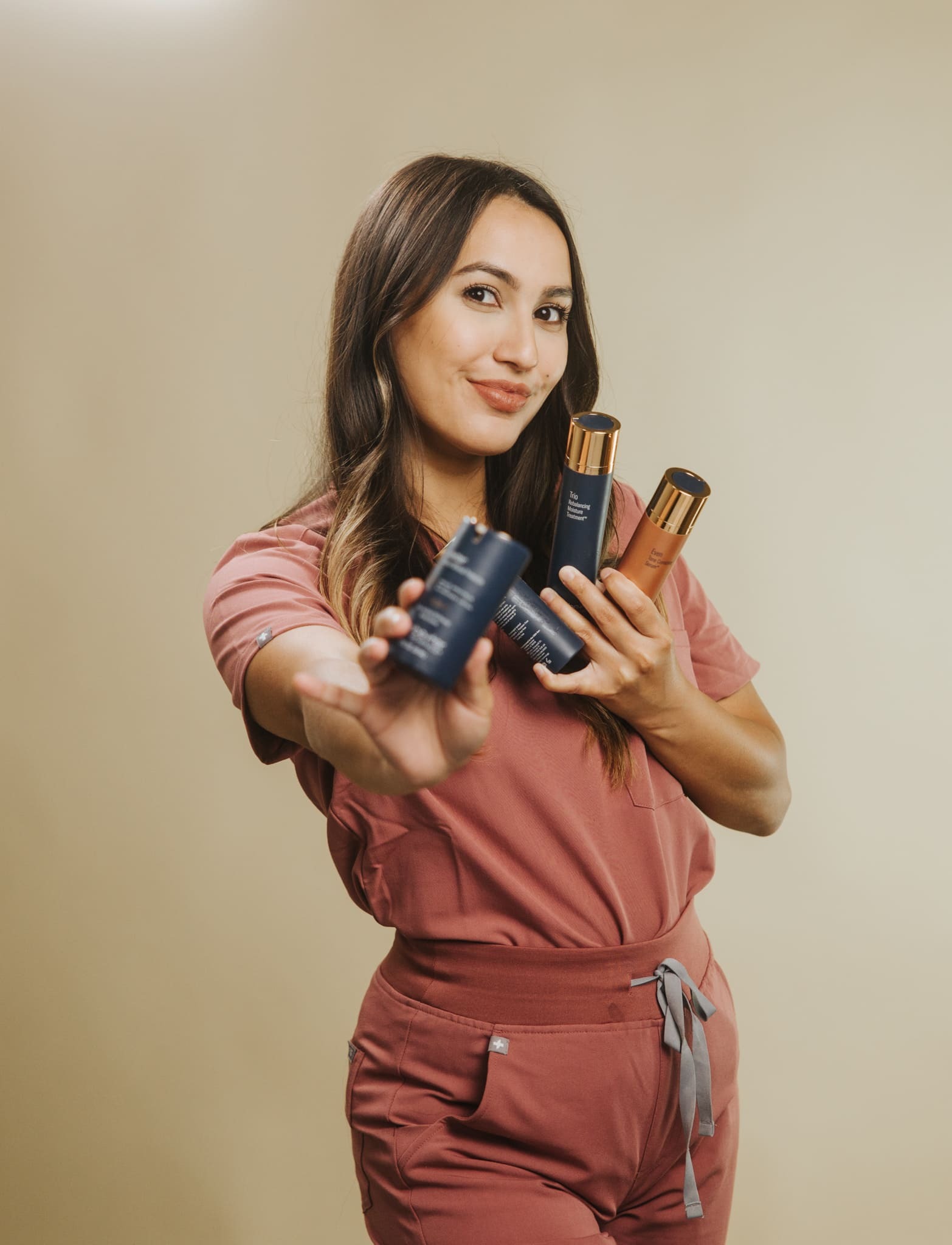
If you've caught yourself staring a little too long at the fine lines forming around your eyes, or noticed your skin doesn't bounce back the way it used to after a long week, you're not imagining it. Skin changes, and it changes faster than most of us expect. The good news is that anti aging treatments have come a long way from the harsh, downtime-heavy procedures of the past. Today's most effective options work with your skin's own biology, encouraging it to repair and rebuild itself rather than masking the signs of aging.
Here in Queen Creek, Arizona, our skin faces a unique set of challenges. Intense sun exposure, dry desert air, and the day-to-day stress of a packed schedule all speed up visible aging in ways that people in milder climates simply don't deal with. Understanding what's actually happening beneath the surface is the first step toward choosing a treatment that delivers real results.
What Causes Skin to Age Faster in the First Place?
Skin ages through a combination of two forces: intrinsic aging, which is the natural, genetically programmed slowdown in collagen and elastin production, and extrinsic aging, which is everything the environment throws at your skin. In Arizona, extrinsic aging tends to dominate. UV exposure alone is responsible for an estimated 80 percent of visible facial aging, breaking down the collagen fibers that keep skin firm and smooth.
Add in low humidity, frequent indoor air conditioning, and the oxidative stress that comes from a high-stress lifestyle, and it's easy to see why so many Queen Creek residents notice sagging, dullness, and fine lines earlier than they expected.
What Are the Early Signs You Should Watch For?
Most people notice a few tell-tale signs before deeper wrinkles set in. These include a loss of that natural "bounce back" in the skin, a duller or more uneven complexion, enlarged pores, and fine lines that appear when you make an expression and linger afterward. Sun spots and a slightly rougher texture are also common early indicators, especially on the cheeks and forehead where sun exposure is heaviest.
Catching these signs early matters. Skin that is starting to lose elasticity responds far better to treatment than skin where deeper structural damage has already occurred.
Can Anti Aging Treatments Actually Reverse Damage, or Just Slow It Down?
The honest answer is both, depending on the treatment and how early it's started. Treatments that stimulate collagen production, like microneedling, can genuinely rebuild structural support in the skin over time, softening existing fine lines while helping prevent new ones. Treatments like a HydraFacial work more on hydration, texture, and radiance, giving skin the resources it needs to repair itself and look visibly refreshed.
Neither approach is a substitute for sun protection, but combined with good daily habits, professional treatments can meaningfully slow the visible aging process and, in many cases, improve skin that's already showing damage.
Which Anti Aging Treatments Are Right for You?
The most effective anti aging strategy is rarely a single treatment. At Skin By You, our Anti-Aging HydraFacial Experience combines deep hydration with antioxidant-rich serums that target dullness and fine lines in one relaxing session, with no downtime required. For clients looking for more structural improvement, our Anti-Aging Microneedling treatment uses controlled micro-injuries to trigger your skin's natural collagen response, gradually improving firmness and texture over a series of sessions.
Many clients find that alternating between the two, a HydraFacial for maintenance and radiance, microneedling for deeper renewal, gives them the most balanced, natural-looking results.
How Do Busy Professionals Fit Anti Aging Care Into a Packed Schedule?
If your calendar is booked solid with back-to-back meetings, a long commute, and barely enough time for lunch, skincare probably isn't top of mind, until you catch your reflection in a laptop camera during a video call and notice you look more tired than you feel. Chronic stress raises cortisol levels, and elevated cortisol has been linked to faster collagen breakdown and a compromised skin barrier. Add in dehydration from too much coffee and not enough water, plus irregular sleep, and it's a recipe for skin that ages faster than it should.
The upside is that effective anti aging care doesn't have to mean hours in a treatment chair. A HydraFacial session fits neatly into a lunch break, delivering hydration and glow with zero downtime before you're back at your desk. Microneedling requires a bit more planning around mild redness afterward, but most clients schedule it for a Friday afternoon and are camera-ready again by Monday. Building a simple, consistent routine, even one appointment a month, tends to outperform sporadic, last-minute efforts every time.
When Should You See a Professional Instead of Relying on At-Home Products?
At-home retinoids, serums, and sunscreen are essential, but they can only do so much. If you've been consistent with a home routine for several months and aren't seeing the improvement you'd hoped for, or if you're noticing texture changes, sagging, or sun damage that seems to be progressing, it's a good sign that professional treatment will get you further, faster. A trained esthetician can also assess your specific skin type and concerns in a way that a drugstore shelf simply can't.
How Do These Treatments Compare to Chemical Peels?
Chemical peels work by exfoliating the outer layers of skin to reveal fresher skin underneath, which can help with tone and texture. Microneedling and HydraFacial treatments, by contrast, work more directly on hydration and collagen stimulation. Many Queen Creek clients actually combine approaches over time, and you can read more about how peels stack up against other options in our piece on HydraFacial vs. Chemical Peel.
Frequently Asked Questions
At what age should I start anti aging treatments? Most estheticians recommend starting preventative treatments like HydraFacials in your late 20s to early 30s, when collagen production first begins its natural decline. It's easier to maintain healthy skin than to repair significant damage later.
Do anti aging treatments hurt? A HydraFacial is generally painless and relaxing. Microneedling involves a topical numbing cream and feels more like light pressure or vibration than pain for most clients.
How often should I get anti aging treatments? HydraFacials are typically recommended every four to six weeks. Microneedling is usually done in a series of three to four sessions spaced about a month apart, followed by maintenance treatments every few months.
Will insurance cover anti aging treatments? These are considered cosmetic treatments and are not typically covered by insurance.
Is there any downtime after treatment? HydraFacials have no downtime. Microneedling may cause mild redness for a day or two, similar to a light sunburn.
The Not-So-Final Word on Aging Gracefully
Aging is inevitable, but looking exhausted, dull, or older than you feel doesn't have to be. Whether you're just starting to notice the first faint lines or you're ready to invest in a more structured renewal plan, the team at Skin By You can help you build an approach that fits your skin and your schedule. Updated this September, this guide reflects the treatments we recommend most often for Queen Creek clients navigating desert sun, dry air, and everyday stress. To find the right starting point for you, visit our services page or get in touch to schedule a consultation.

.png)


.png)